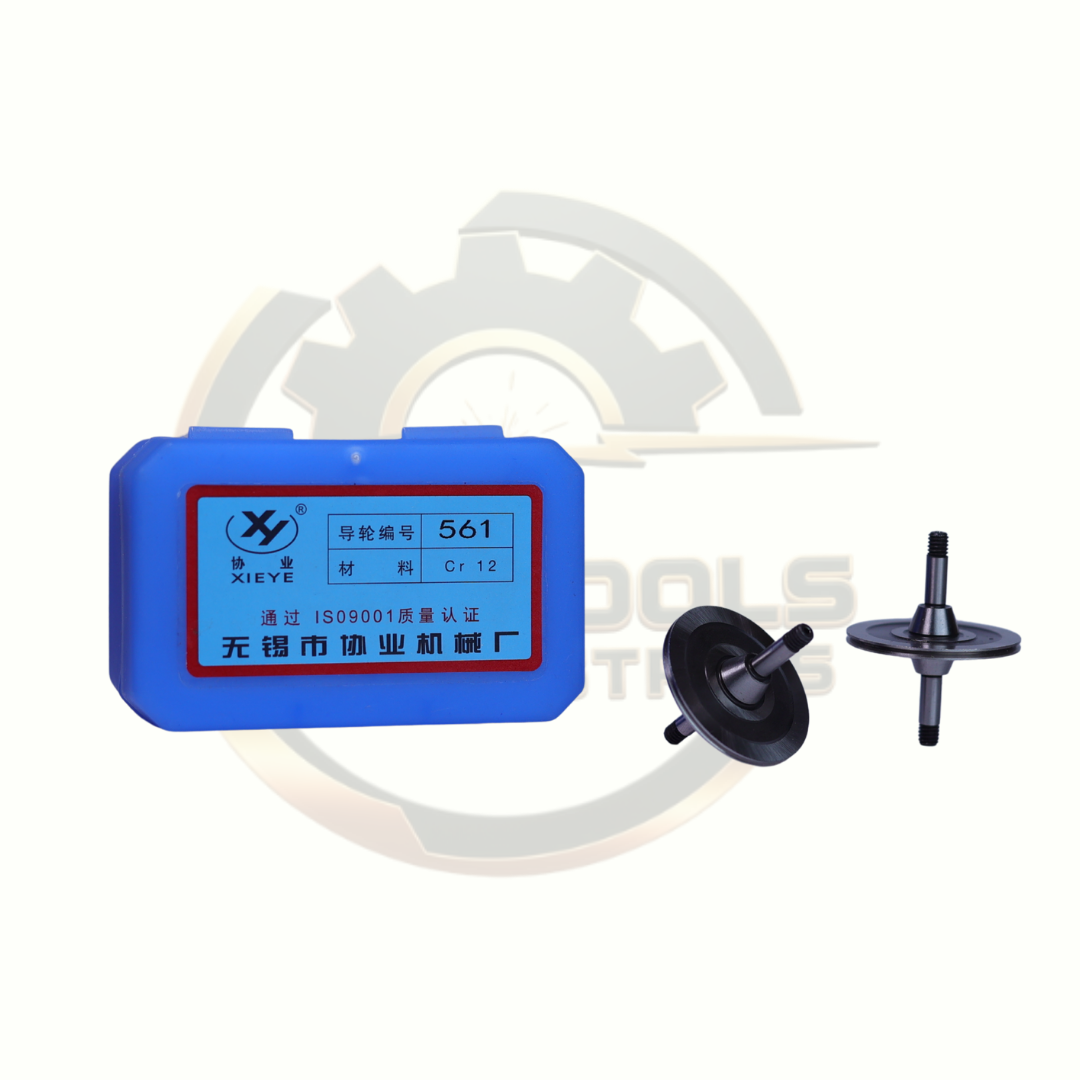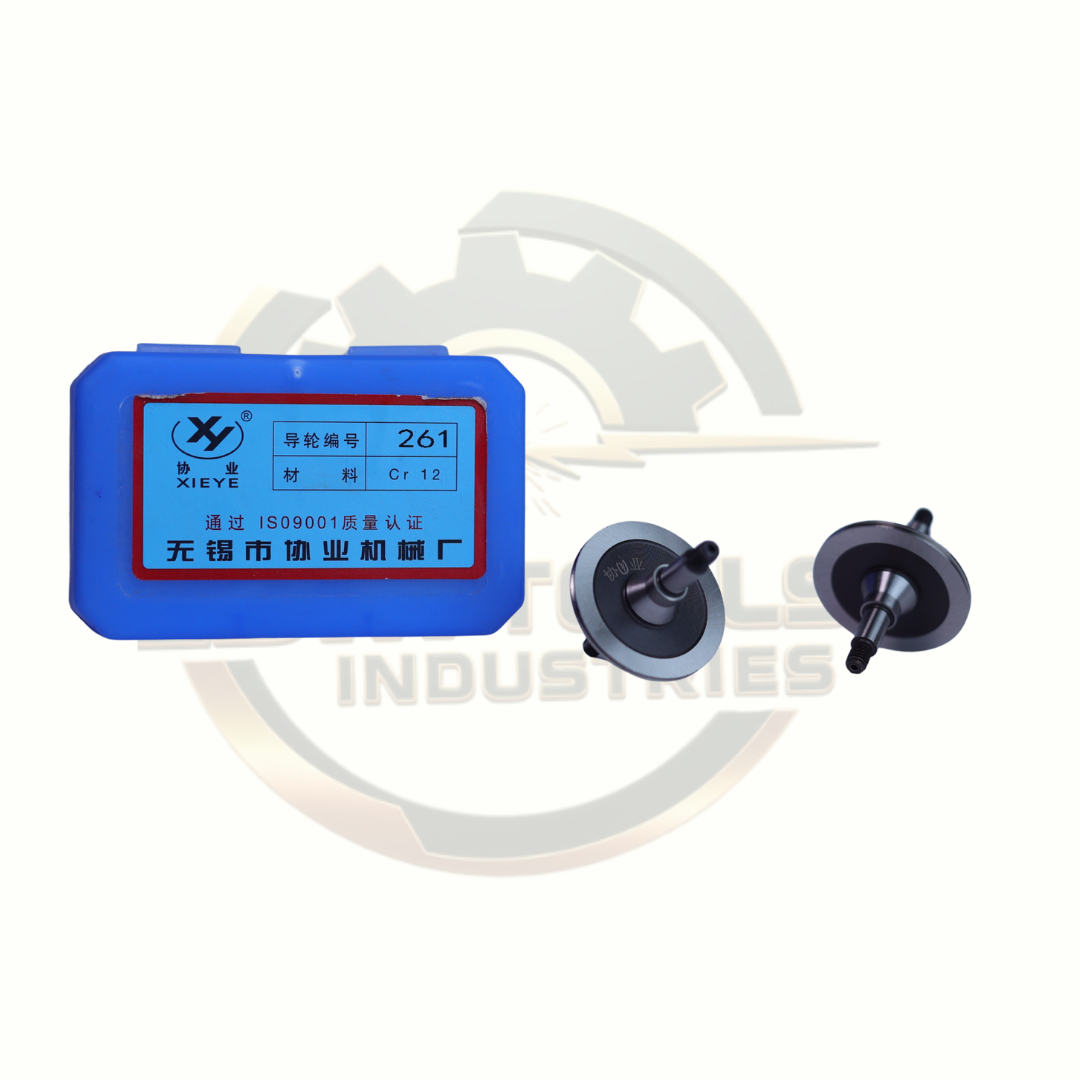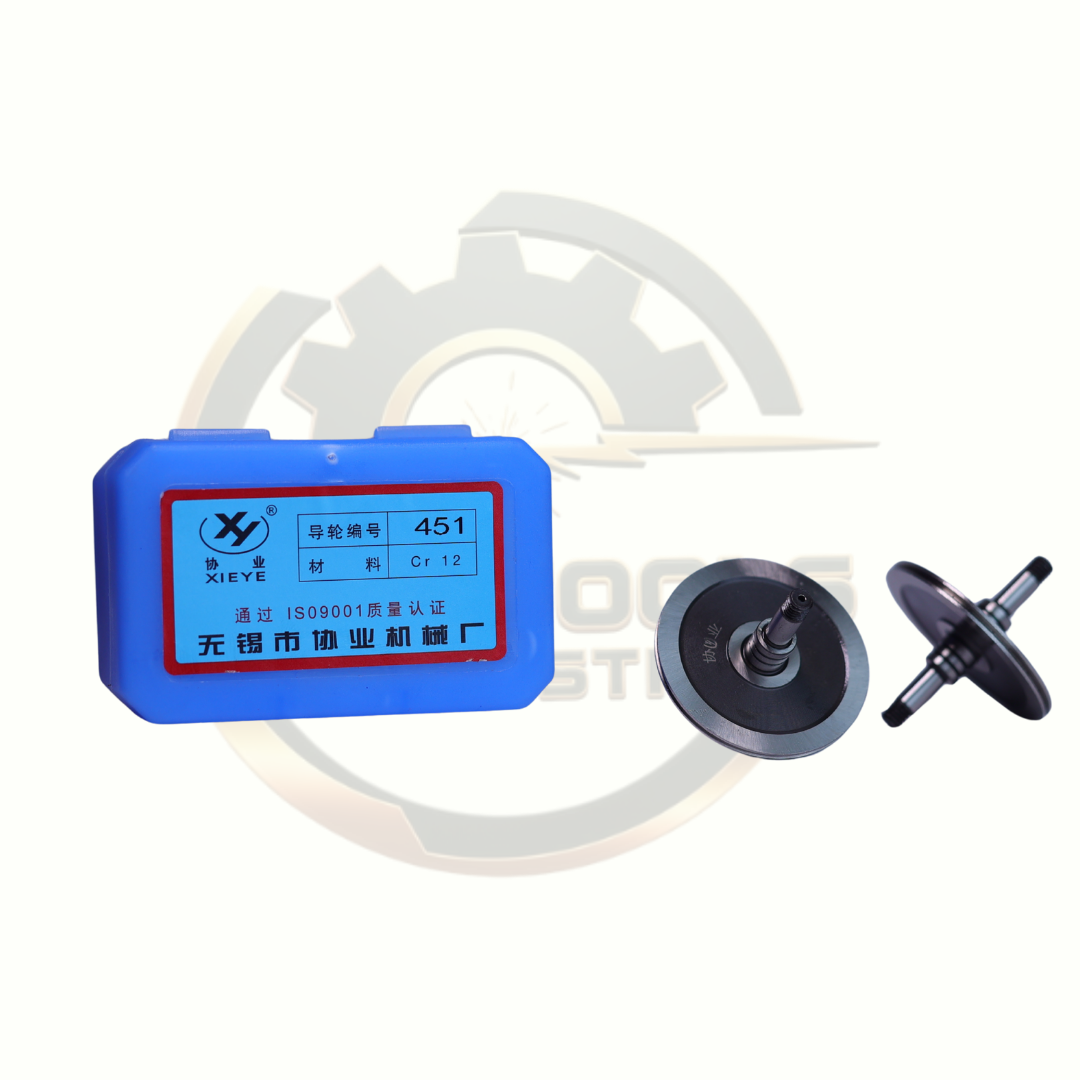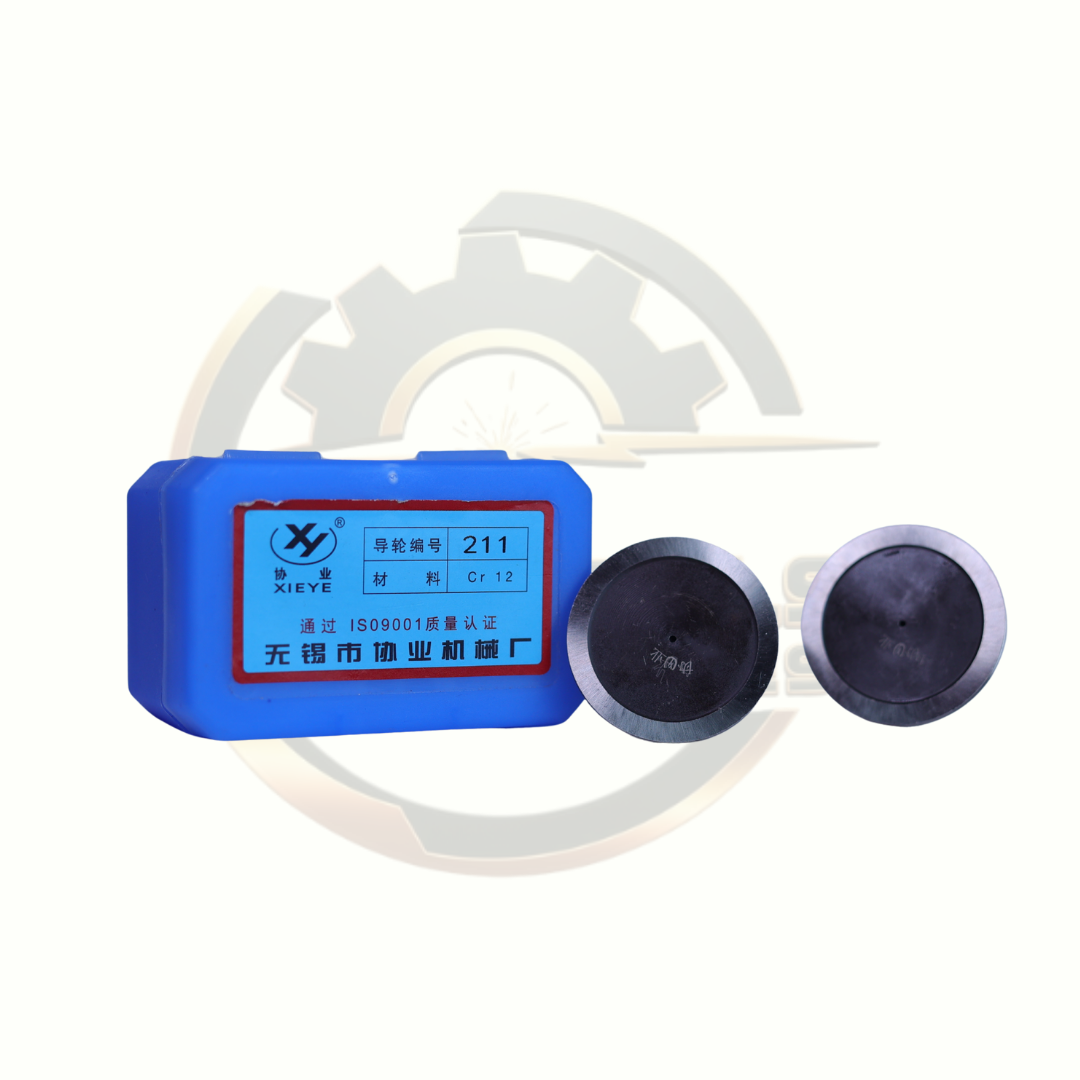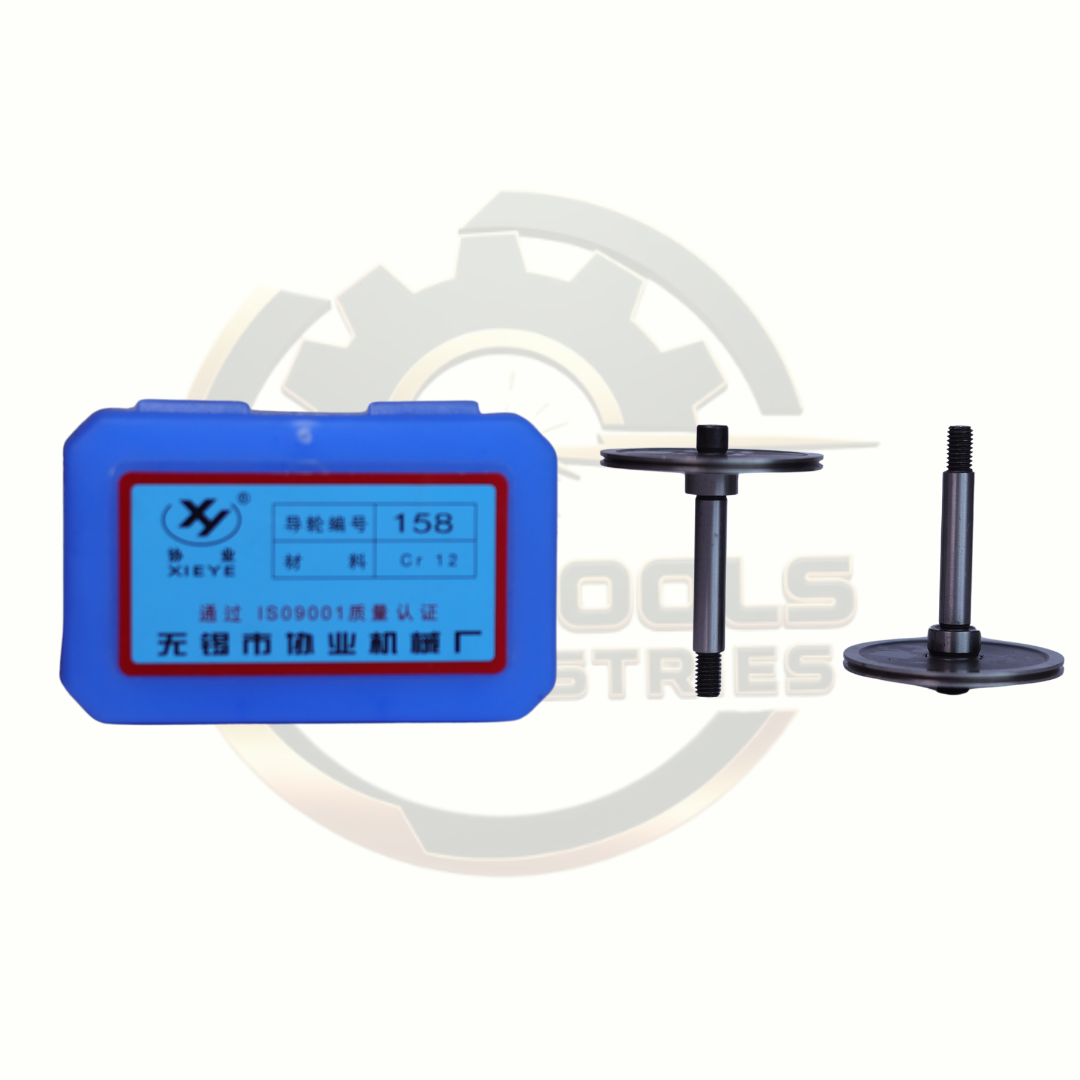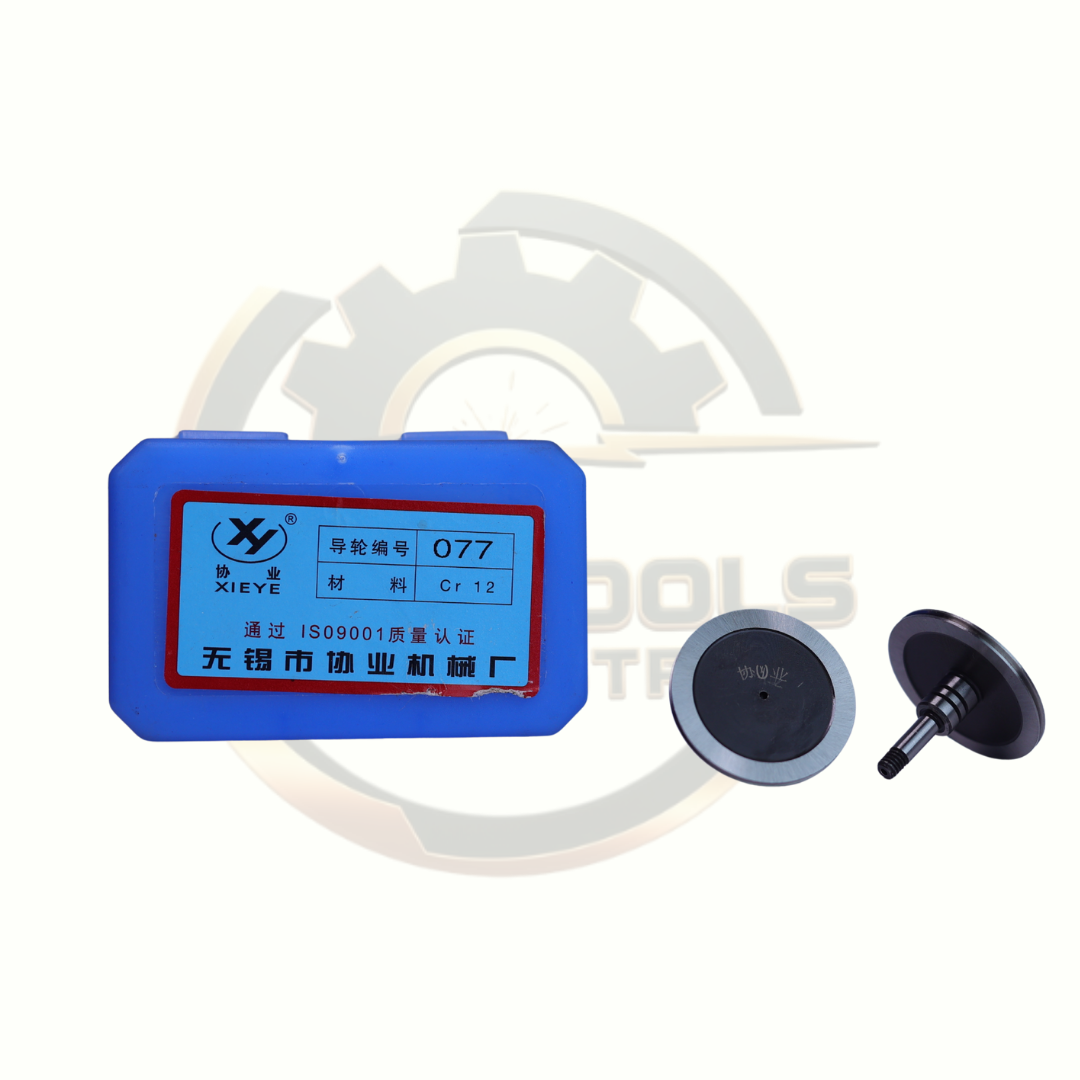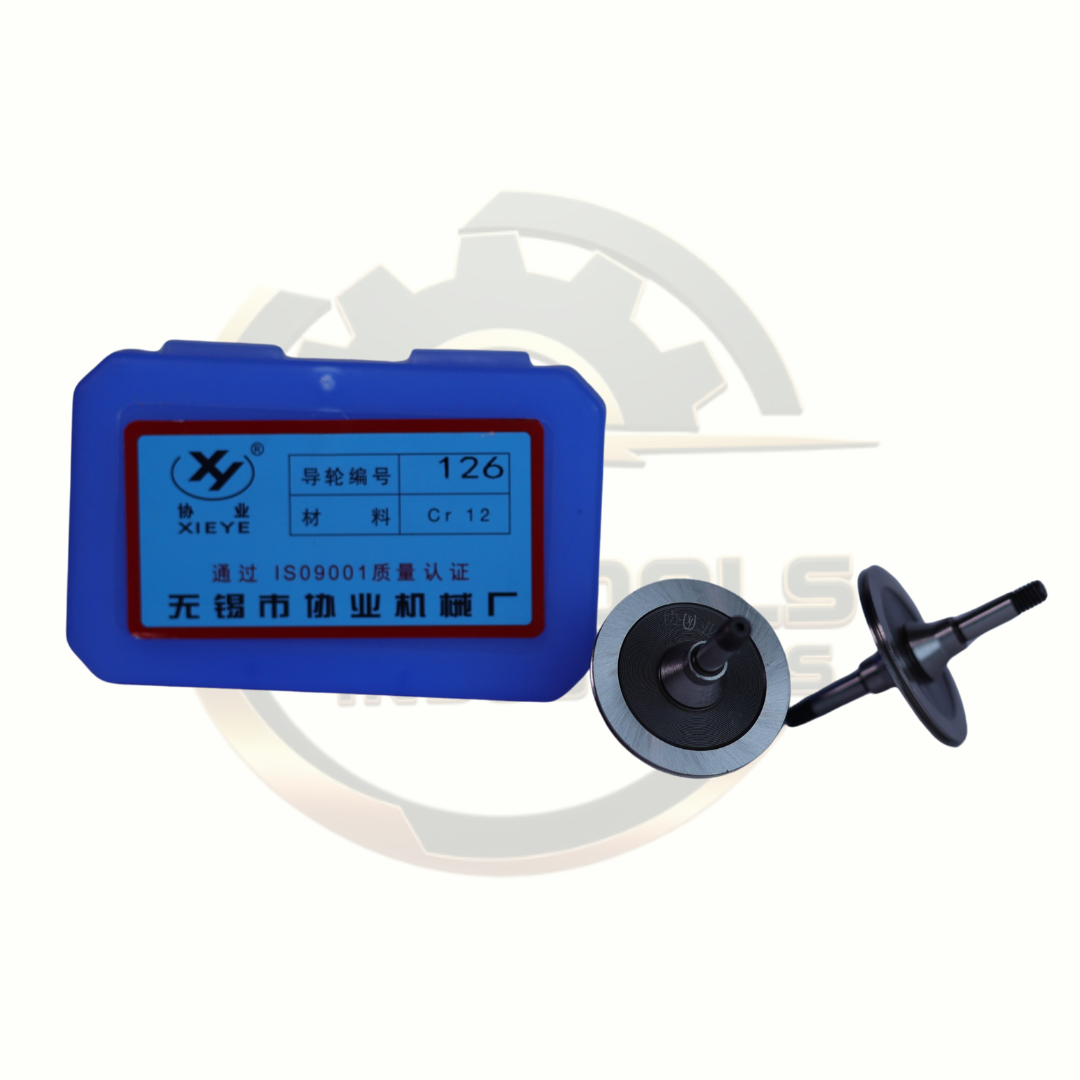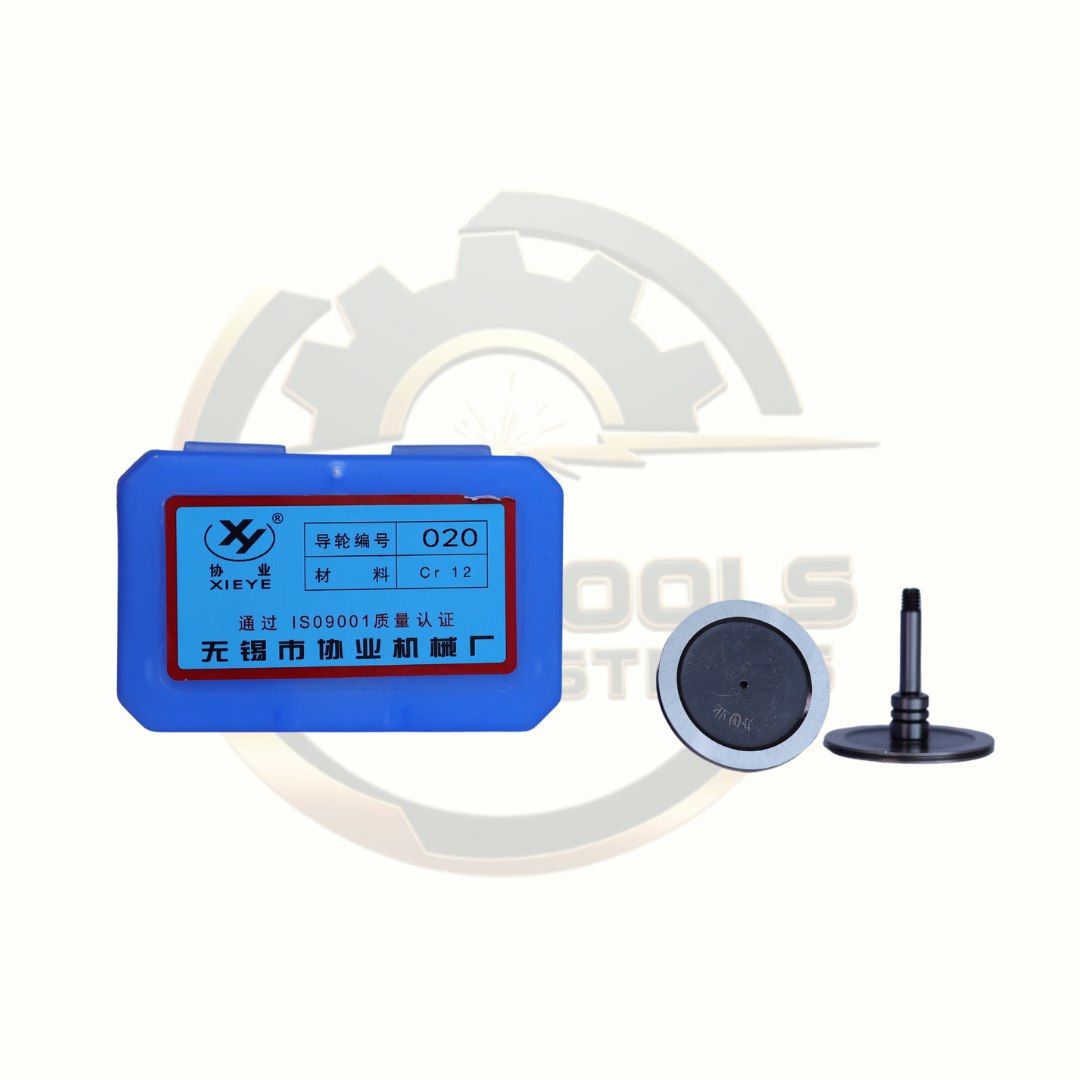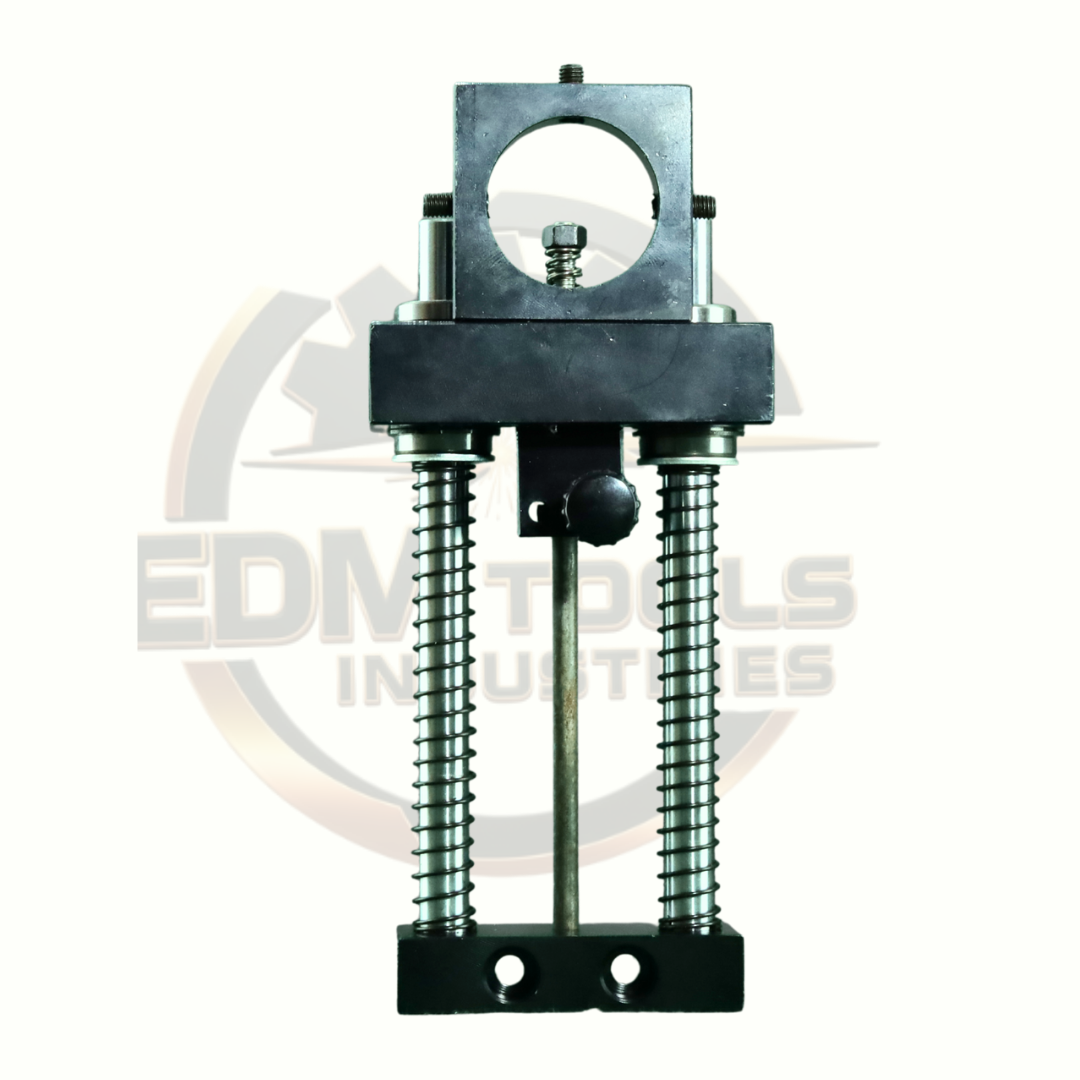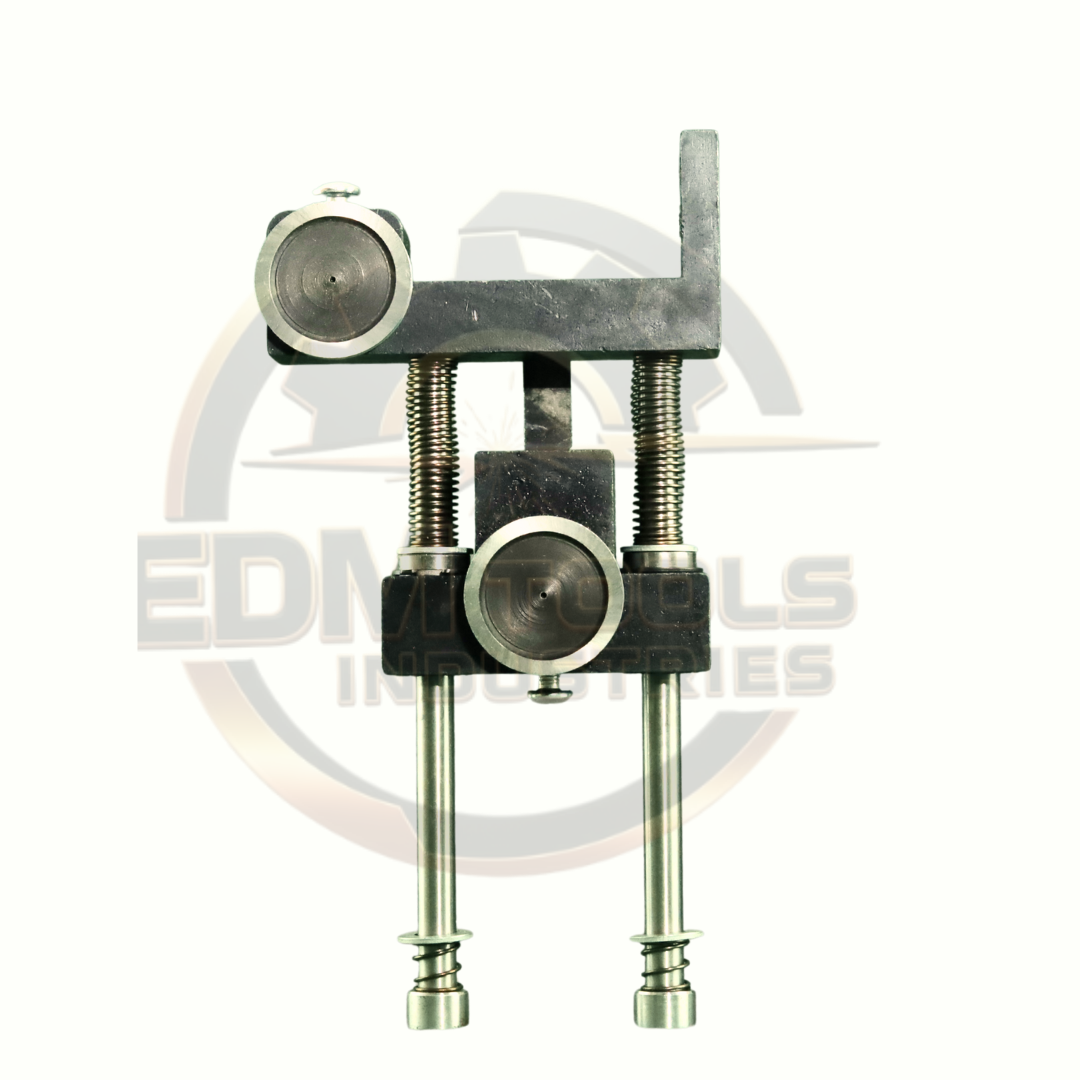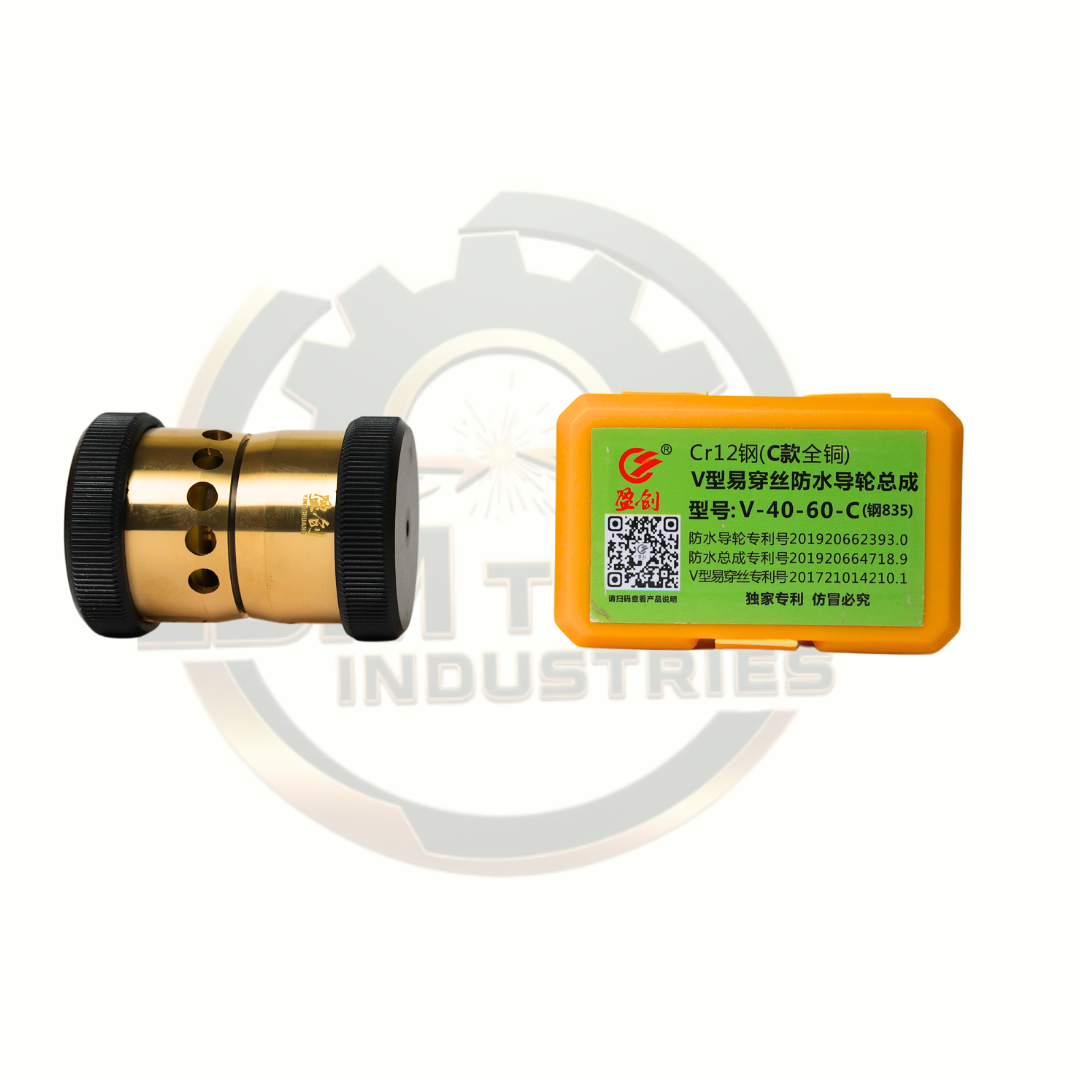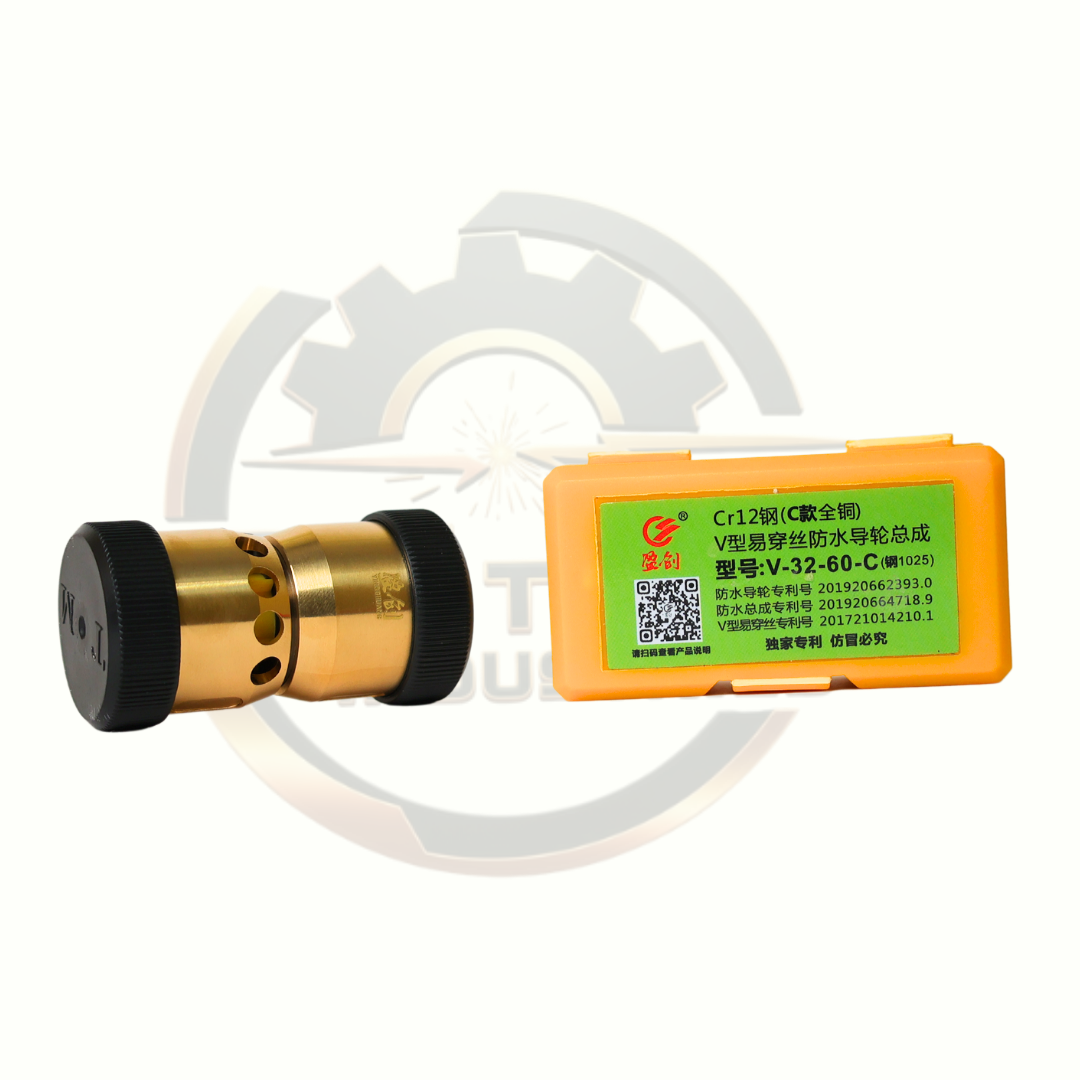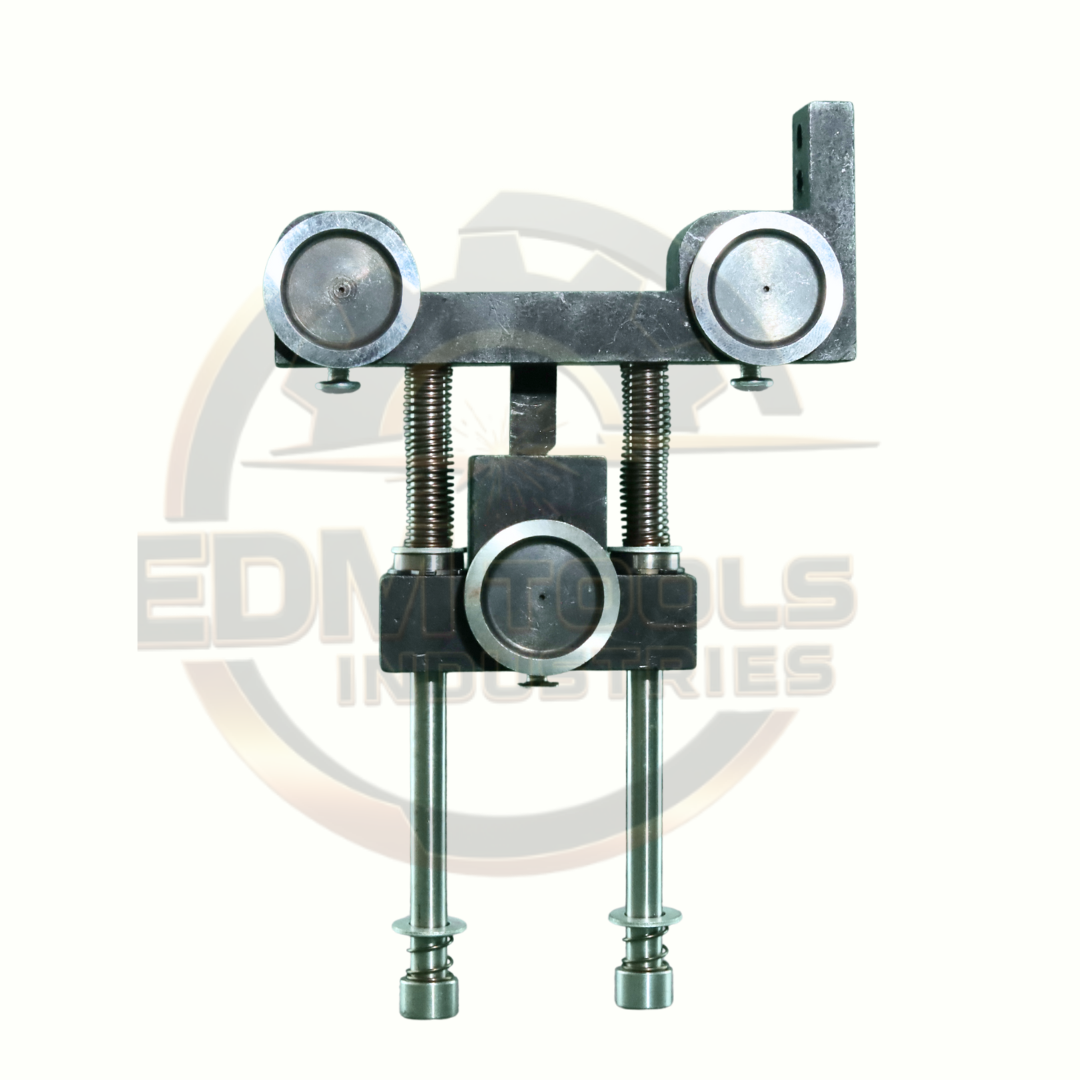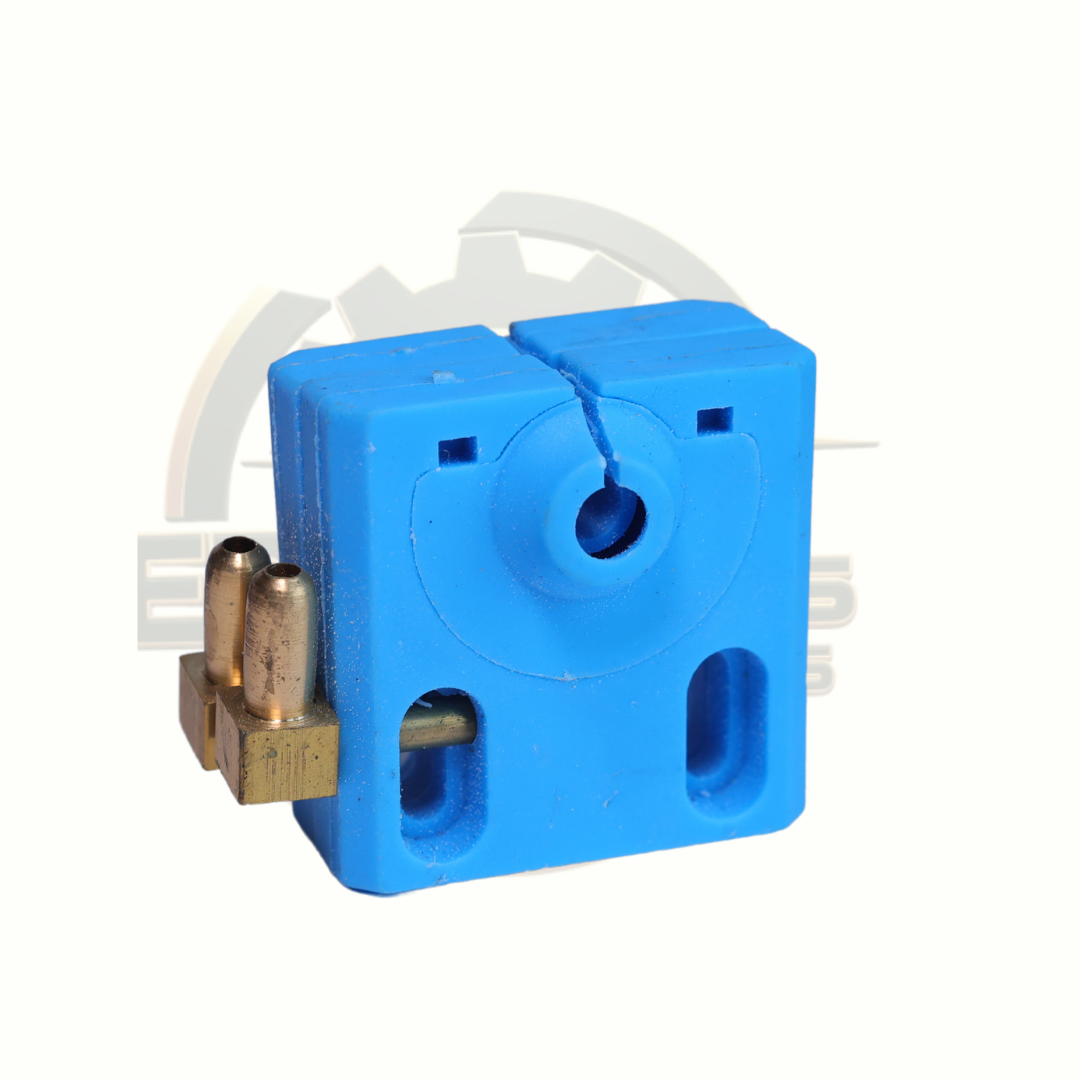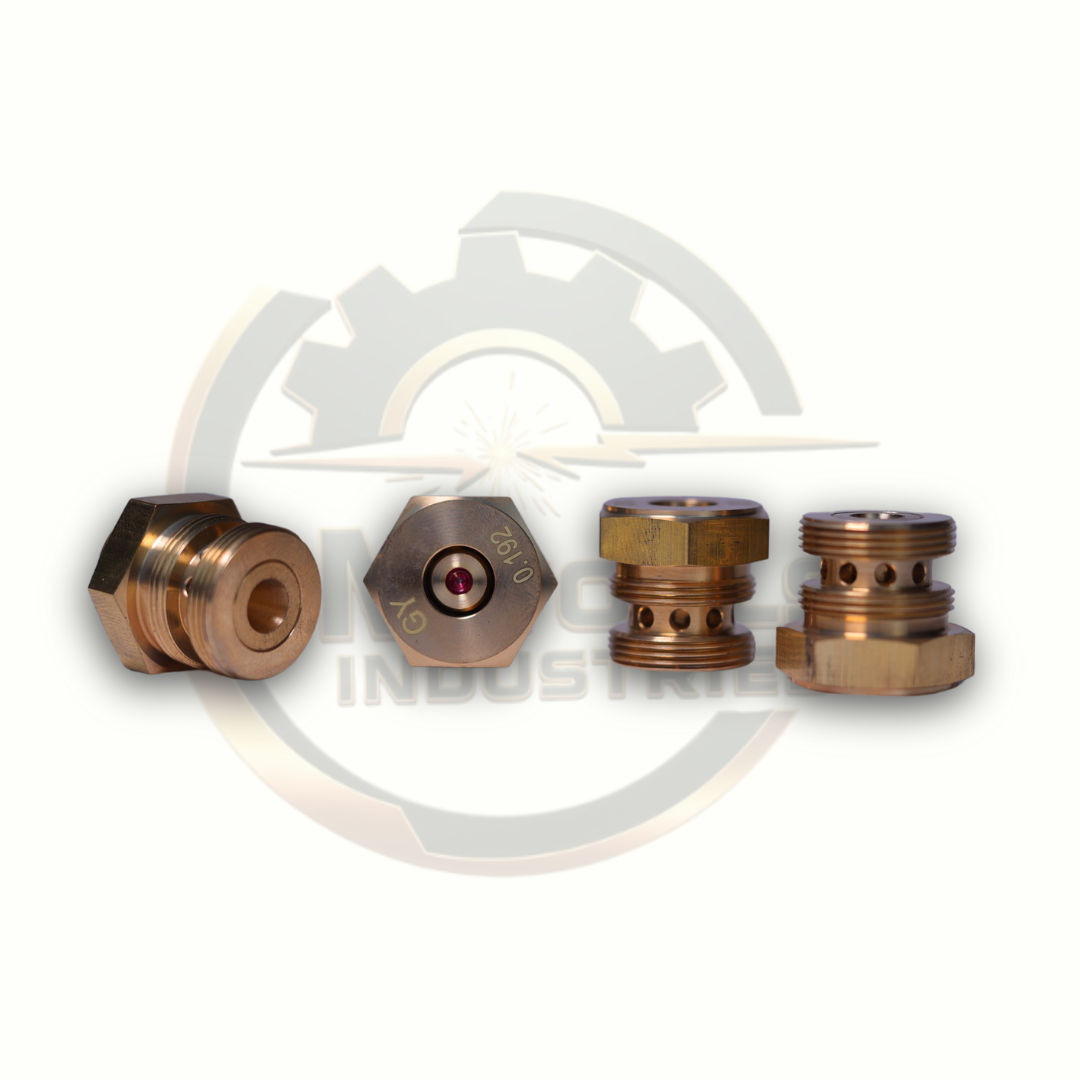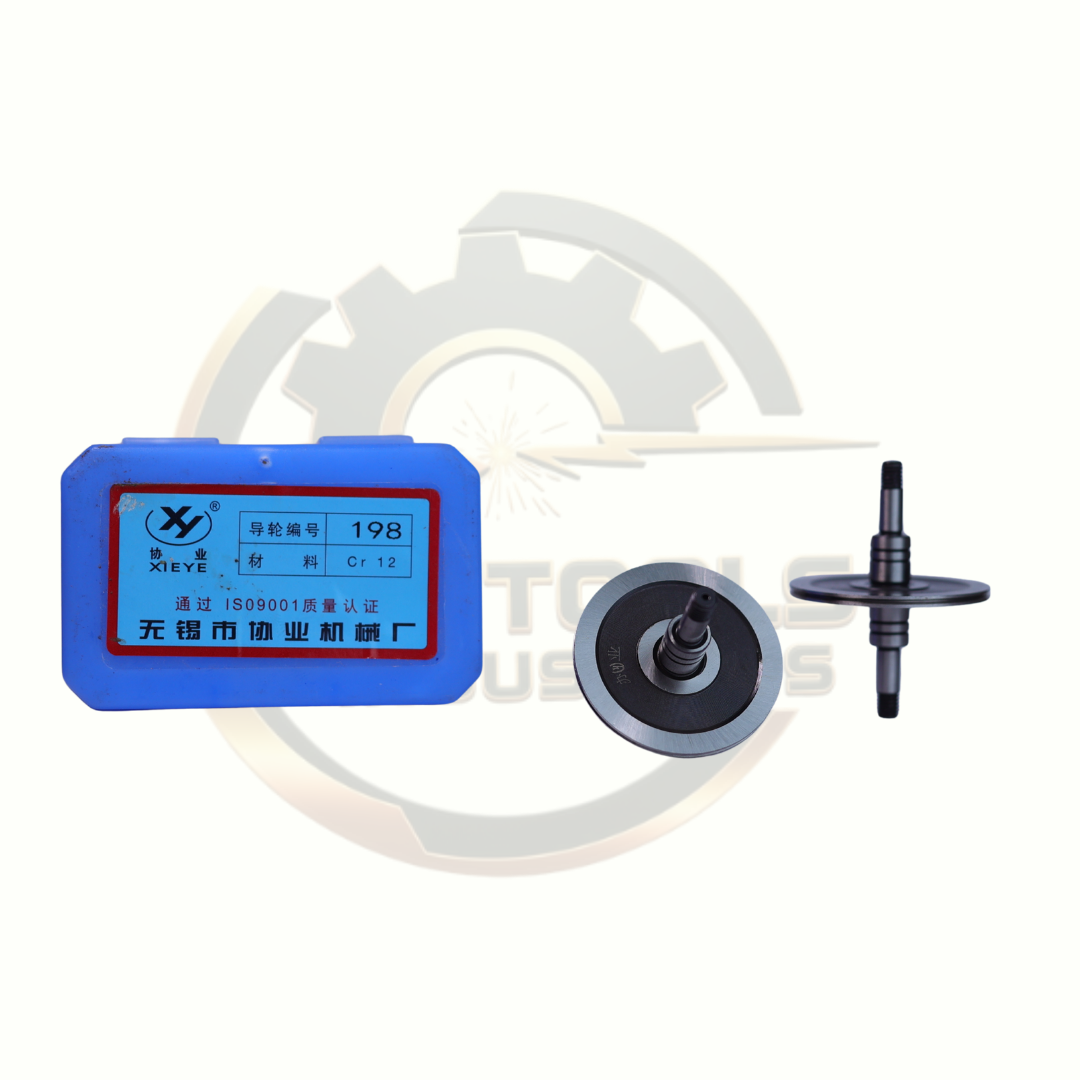
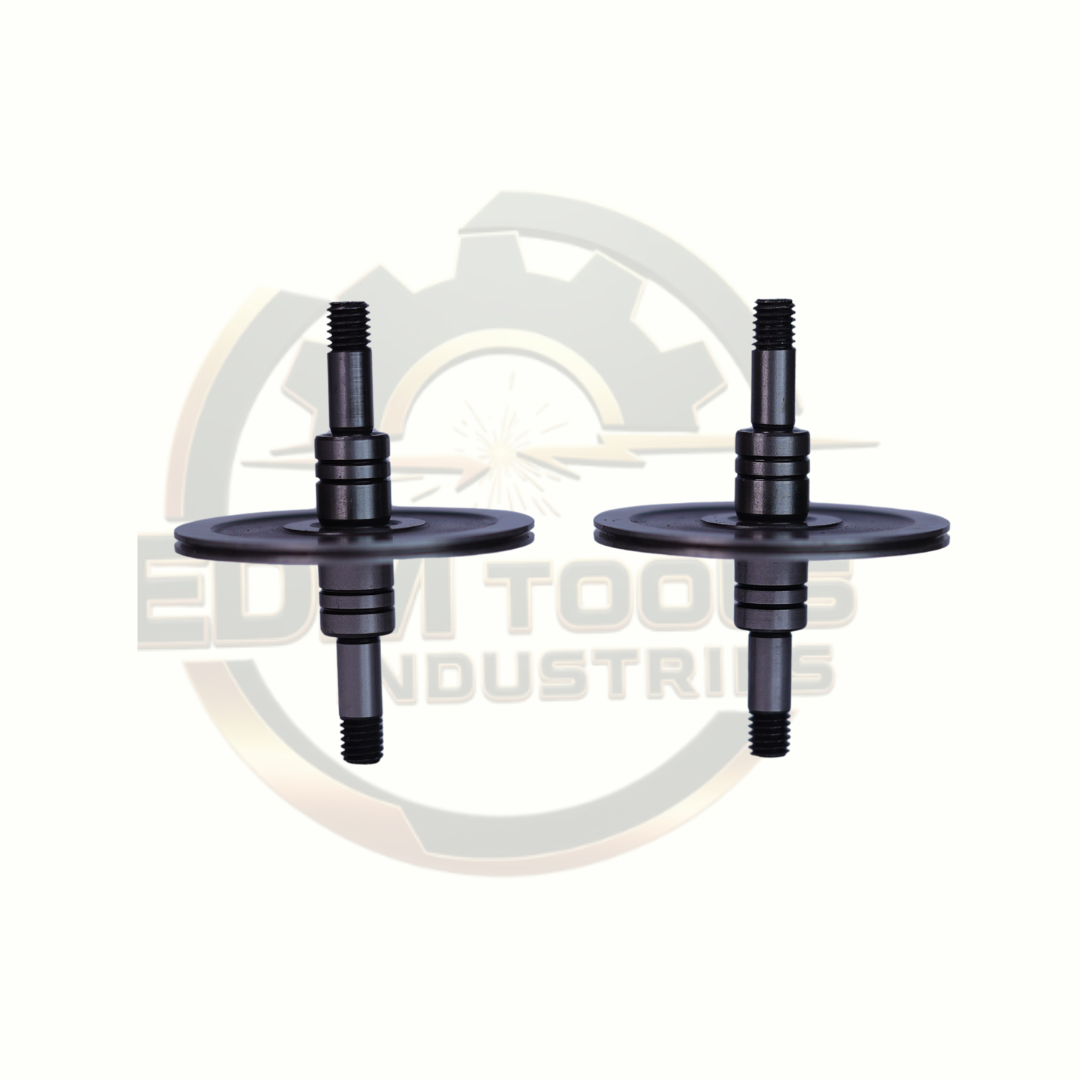
Application:
Industrial Machinery: Used in conveyor systems to move materials efficiently.
Common in cranes, hoists, and lifting mechanisms for load movement.
Mechanical Power Transmission: Found in engines, motors, and mechanical systems to transfer motion and power between shafts.
Agriculture: Used in agricultural machines for tasks such as irrigation, feed, and crop handling.
Construction and Mining: Employed in winches, lifting equipment, and material handling systems.
Automotive: Found in engine components for timing, power steering, and alternators.
Marine and Offshore: Utilized in winches, hoisting gear, and lifting devices for marine applications.
Elevators and Escalators: Integral in lifting systems to raise and lower the cabin or platform.
Advantages:
Efficient Power Transmission: Transfers mechanical power smoothly and with minimal friction, improving system efficiency.
Load Distribution: Distributes weight evenly across components, reducing wear and tear.
Energy Conservation: Helps reduce the energy required for lifting or moving heavy loads, enhancing cost-effectiveness.
Versatility: Can be used in a wide range of applications from industrial machinery to automotive systems.
Durability: Made from robust materials like steel or stainless steel, offering long-lasting performance.
Low Maintenance: Requires minimal maintenance when properly installed and lubricated, reducing downtime.
Corrosion Resistance: Many pulleys are designed to resist rust and corrosion, ensuring they work efficiently in harsh environments.
Space Saving: Compact design allows for integration in systems with limited space, improving design flexibility.
Customizable: Available in various sizes, shapes, and materials to meet specific functional needs.